Eίναι κατανοητό και υπάρχει η απόλυτη συμφωνία από όλους ότι οι τελευταίες πλημμύρες στην Θεσσαλία θα καθορίσουν την ταυτότητα των Θεσσαλών και την συλλογική μνήμη των τοπικών κοινοτήτων. Ακριβώς αυτή […]


Eίναι κατανοητό και υπάρχει η απόλυτη συμφωνία από όλους ότι οι τελευταίες πλημμύρες στην Θεσσαλία θα καθορίσουν την ταυτότητα των Θεσσαλών και την συλλογική μνήμη των τοπικών κοινοτήτων. Ακριβώς αυτή […]
Του Στάθη Αραποστάθη*
*Το άρθρο δημοσιεύτηκε στις 28/12/2023 στην Εφημερίδα “Ελευθερία“.
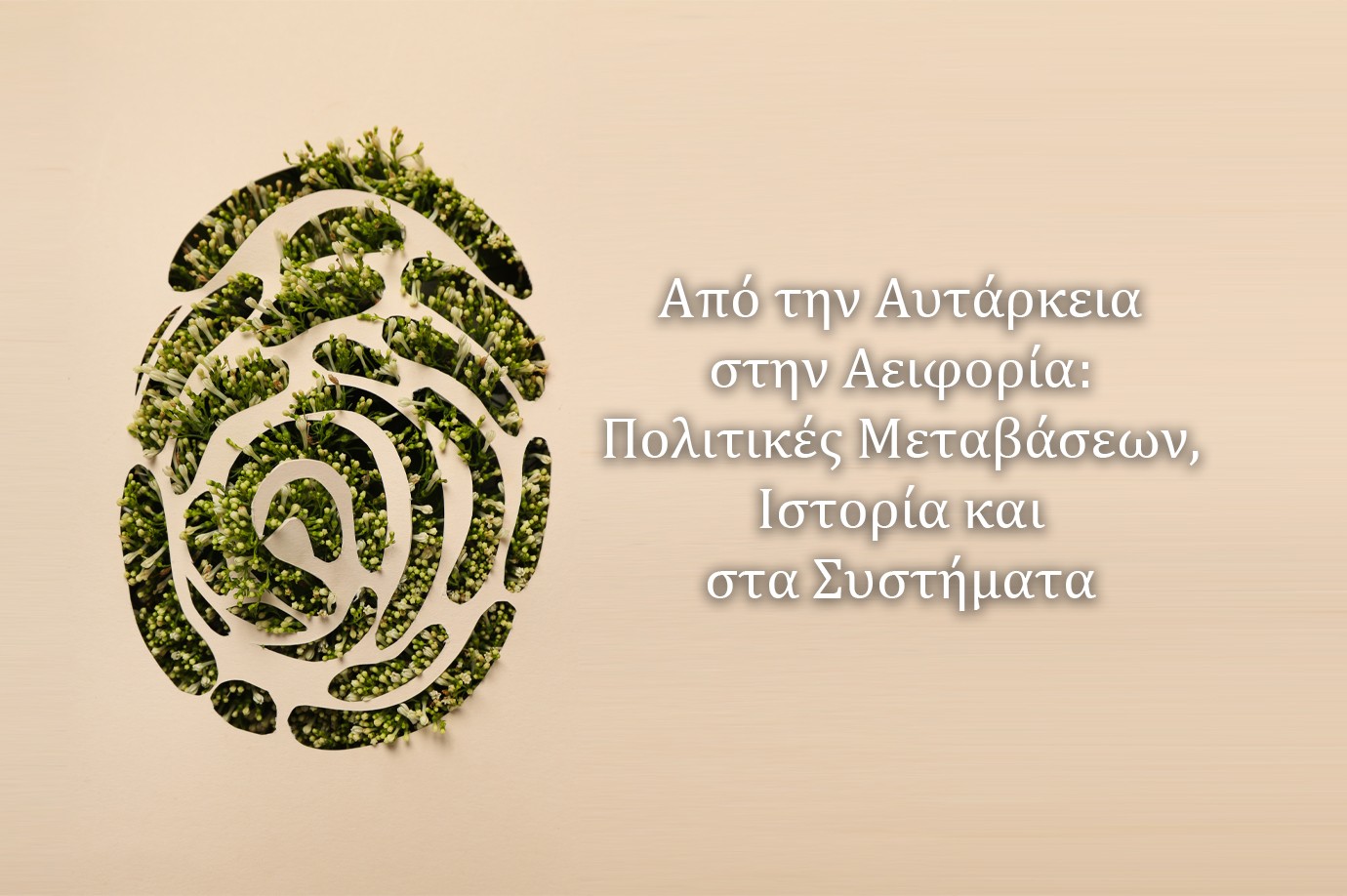
Την Πέμπτη 14 Δεκεμβρίου 2023 πραγματοποιήθηκε στο Τμήμα Ιστορίας και Φιλοσοφίας της Επιστήμης (ΙΦΕ) του ΕΚΠΑ η διεθνής ημερίδα με θέμα «Από την Αυτάρκεια στην Αειφορία: Πολιτικές Μεταβάσεων, Ιστορία και
From Autarky to Sustainability: Transition Politics, History and Futures in Food systems CONEF Hybrid Event End of CONEF Project Workshop & Kick off event “Go-JuST” project 14 DECEMBER 2023 09.30am-20.30pm
Ο Τομέας Ιστορίας της Επιστήμης και της Τεχνολογίας του Τμήματος Ιστορίας και Φιλοσοφίας της Επιστήμης του Εθνικού και Καποδιστριακού Πανεπιστημίου Αθηνών διοργανώνει την Πρώτη «Γιορτή Έρευνας» του Τομέα, η οποία
Πρώτη «Γιορτή Έρευνας» του Τομέα Ιστορίας της Επιστήμης και της Τεχνολογίας [23/11/23]Read More »
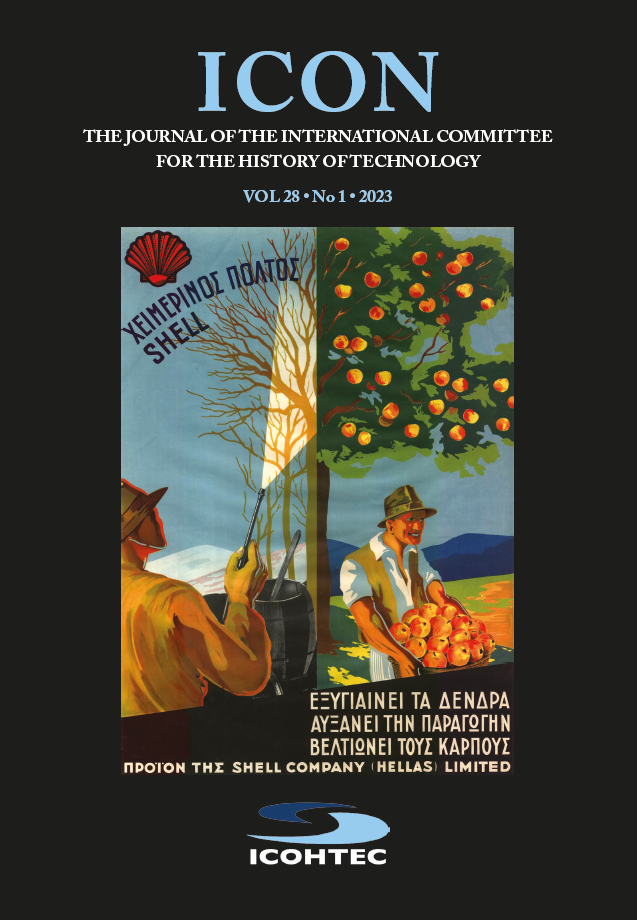
In this special issue, we explore the sociopolitical entanglements of different technological systems and the way that this affects, in different places, patterns of well-being, of economic and environmental development,

“From Productivity to Sustainability Sociotechnical Imaginaries: Material entanglements, path dependencies and the industrialization of poultry production in Greece from 1950 to 2020”
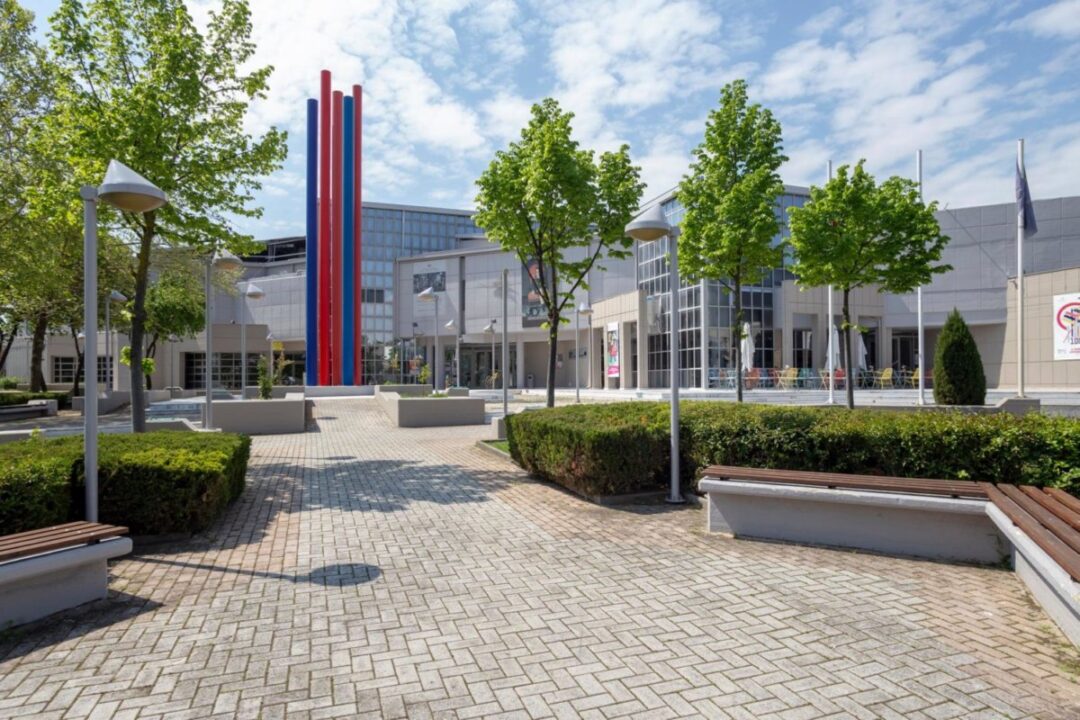
Οι «Θεσσαλοί πολίτες του κόσμου» και η Δημοτική Πινακοθήκη Λάρισας διοργανώνουν εκδήλωση με θέμα: «Επισιτιστική κρίση – Αναζητώντας αιτίες και λύσεις» Η εκδήλωση θα πραγματοποιηθεί την Τρίτη 14 Φεβρουαρίου 2023
 Recent studies in the fields of energy and environment studies and Science, Technology and Society (STS) studies have emphasized the analysis of the agri-food sector and food chain in relation to their role in shaping energy consumption, water management and environmental impact. The environment is understood as a material constitution of animal and plant organisms, which is often impacted by particular infrastructures, practices and policies. The intensification of the production and use of new innovations and technologies in producing animal and plant organisms has further increased the burden on the environment and raised the level of greenhouse gas emissions. Industrial-scale agriculture and the science-based agri-food sector are characterized by intensive energy and water consumption. Agriculture and the agri-food sector contribute substantially to greenhouse gas emissions and pollutants. The harmful effects on the environment from the green revolution of the 1960s and 1970s, and the subsequent paradigm with the emphasis on science-based, intensive and industrialized agriculture, have been stressed and pointed out by agronomists, social scientists and actors from civil society. Environment-shaping activities exist at each step of the food chain (i.e. production, processing and consumption) and the establishment of sustainability in the agri-food sector is a major societal challenge waiting to be tackled. We have identified that in modern societies there has been an analytical and epistemological fragmentation of the modes of production and the modes of consumption through the medicalization of the discourse about the diet. The gap between the modes of production and those of consumption in terms of public and scientific discourses are present both in the countries of the Global North and the Global South in different and distinct ways in each case. Food and agriculture are facing an increasing number of “grand challenges”: climate change, energy and water resource depletion, emerging diseases and antimicrobial resistance. They increase the uncertainty about the future development of agriculture, making it difficult to see how the increasing demand for food and other bio-based materials can be met in a sustainable way.
See more about the project ⇀